SJ
The Zen Aesthete

Steve Jobs's Reading Habits

Steve Jobs — co-founder of Apple and Pixar, and architect of the Macintosh, iPod, iPhone, and iPad — is remembered for products, not bookshelves. But the man who built the world's most valuable company was, by the account of his authorized biographer Walter Isaacson, a serious and idiosyncratic reader his entire life. His reading skewed away from business and toward the spiritual, the literary, and the philosophical: he reread Paramahansa Yogananda's "Autobiography of a Yogi" once a year, devoured Zen texts at Reed College, loved Shakespeare and Melville, and was reshaped by a book on meditation he called "profound." That reading was not a hobby adjacent to his work — it was the source of the aesthetic and intuitive sensibility that defined Apple. This is the story of what Steve Jobs read, and what it made of him.

6+
Recommended Books

How many books does Steve Jobs read?

Their reading focuses on Spirituality, Zen Buddhism, literature, poetry, design.

The Reader Behind the Minimalist

Jobs's reading life was striking for what it largely excluded: conventional business literature. As Walter Isaacson documented in his 2011 biography, Jobs read across spirituality, Eastern philosophy, poetry, literary fiction, and design rather than management books. The throughline was a search for essence — for the irreducible core of a thing — which later became the governing principle of Apple's products. Jobs himself tied his aesthetic directly to his reading and meditation, telling Isaacson, "I have always found Buddhism — Japanese Zen Buddhism in particular — to be aesthetically sublime." His friend and biographer argued that the books Jobs absorbed in his late teens and early twenties shaped him more durably than anything he encountered later. The minimalist who insisted Apple's design be "intuitively obvious" was built, in part, out of what he read.

Reed College and the Spiritual Bookshelf

Jobs dropped out of Reed College after one semester in 1972 but kept auditing classes and, crucially, kept reading. There he met Daniel Kottke — later Apple employee number twelve — and the two bonded over mystical and Eastern texts. They read Ram Dass's "Be Here Now," Shunryu Suzuki's "Zen Mind, Beginner's Mind," Chogyam Trungpa's "Cutting Through Spiritual Materialism," and Yogananda's "Autobiography of a Yogi" together. In his freshman year Jobs also read Frances Moore Lappe's "Diet for a Small Planet," which he credited with his lifelong vegetarianism, telling Isaacson, "That's when I pretty much swore off meat for good." This period of immersive, communal reading sent Jobs on his 1974 pilgrimage to India in search of enlightenment. He returned convinced, in Isaacson's telling, that intuition and direct experience mattered more than Western rational analysis.

Autobiography of a Yogi: The Book He Reread Every Year

No book mattered more to Jobs than Paramahansa Yogananda's "Autobiography of a Yogi," the 1946 spiritual classic on self-realization and Kriya Yoga meditation. According to Isaacson, Jobs first read it as a teenager, reread it in India, and then read it once a year for the rest of his life. It was, by widely reported accounts, the only book he ever downloaded onto his iPad. Its emphasis on self-realization and on trusting one's inner guidance aligned tightly with Jobs's conviction that intuition was his greatest gift. The book's hold on him was so total that he arranged for every attendee at his 2011 memorial to leave with a copy — a final, deliberate act of recommendation discussed in its own section below.

How Zen Reading Became Apple Design

Jobs's study of Zen — through Suzuki's "Zen Mind, Beginner's Mind," his pilgrimage, and his decades-long relationship with the Soto Zen teacher Kobun Chino Otogawa, who later officiated his wedding — translated directly into Apple's design language. The "beginner's mind" Suzuki described, approaching each problem without preconception, mirrors Jobs's insistence on rethinking product categories from scratch. His Reed College friend Daniel Kottke linked Jobs's Zen to "his whole approach of stark, minimalist aesthetics, intense focus." Jobs distinguished cheap simplicity from the hard-won kind: "It takes a lot of hard work to make something simple, to truly understand the underlying challenges and come up with elegant solutions." The clean lines of the original Macintosh, the single button on the iPod and iPhone, and Apple's obsession with removing rather than adding all trace back to a reading life steeped in Zen subtraction.

Literature, Poetry, and Captain Ahab

Jobs's reading was not only spiritual. In his last year of high school, he later recalled, "I started to listen to music a whole lot, and I started to read more outside of just science and technology — Shakespeare, Plato. I loved King Lear." He counted Herman Melville's "Moby-Dick" and the poetry of Dylan Thomas among his favorites. Isaacson draws a pointed parallel between Jobs and Melville's Captain Ahab — both monomaniacally driven, both learning more from direct experience than from institutions, both willing to risk everything in pursuit of a singular obsession. The literature gave Jobs a vocabulary for intensity and will, while the spiritual texts gave him a vocabulary for restraint and essence. The tension between those two registers — relentless drive and contemplative simplicity — is arguably the central tension of his character.

The One Business Book That Reached Him

Jobs largely disdained management literature, but one business book left a documented mark: Clayton Christensen's "The Innovator's Dilemma" (1997), the study of how great companies are disrupted by the very technologies they dismiss. Isaacson reports that the book deeply influenced Jobs and informed his willingness to cannibalize Apple's own successful products before competitors could — most famously letting the iPhone undercut the iPod, and the iPad threaten the Mac. The choice is revealing: Jobs ignored most business advice but absorbed the one framework that explained why incumbents grow complacent and die. It is consistent with the rest of his reading, which favored books that exposed fundamental dynamics over books that offered tactics. Even his rare foray into business reading was a search for essence rather than instruction.
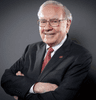

Steve Jobs's Reading Philosophy

"Jobs read to refine intuition, not to accumulate information. The spiritual texts taught him to trust inner guidance and strip things to their essence; the literature taught him intensity and will. Apple's products were the output of that reading — simplicity arrived at through hard work, not decoration."

- Steve Jobs

Notable Quotes on Reading

I have always found Buddhism — Japanese Zen Buddhism in particular — to be aesthetically sublime.
Steve Jobs, quoted by Walter Isaacson (Smithsonian Magazine excerpt)
It takes a lot of hard work to make something simple, to truly understand the underlying challenges and come up with elegant solutions.
Steve Jobs, quoted by Walter Isaacson (Smithsonian Magazine excerpt)
I started to read more outside of just science and technology — Shakespeare, Plato. I loved King Lear.
Steve Jobs, quoted in Walter Isaacson's biography (Big Think)
That's when I pretty much swore off meat for good.
Steve Jobs on reading "Diet for a Small Planet" (Time)

How Steve Jobs Reads

Reading Methods

  • Rereading for depth: Jobs returned to "Autobiography of a Yogi" once a year rather than chasing new titles, treating a few books as lifelong companions
  • Reading for essence: he favored books that exposed the fundamental nature of a thing — spiritual, aesthetic, or strategic — over tactical how-to material
  • Communal reading: at Reed College he read and discussed spiritual texts alongside Daniel Kottke, turning reading into shared inquiry
  • Reading toward practice: books like "Be Here Now" and "Diet for a Small Planet" led directly to action — meditation, diet, and his pilgrimage to India
  • Cross-register reading: he paired contemplative Zen texts with intense literature like "Moby-Dick" and "King Lear," holding restraint and drive in tension

Key Insight

Jobs's reading explains the part of him that products alone cannot. He read almost no management literature and instead steeped himself in Zen, spiritual autobiography, poetry, and literary fiction — books about essence, intuition, restraint, and will. Apple's design philosophy of deep simplicity is the direct output of that reading. The transferable lesson is that a small number of books, read deeply and returned to repeatedly, can shape a worldview more than a large number read once.

Steve Jobs's Recommended Books

Books Steve has publicly recommended or credited as influential.

Autobiography of a Yogi

Paramahansa Yogananda

Jobs reread it once a year, kept it as the only book on his iPad, and gave a copy to every attendee at his memorial. His single most important book.

Be Here Now

Ram Dass

Jobs called this meditation guide "profound" and said "it transformed me and many of my friends." It helped inspire his 1974 trip to India.

Zen Mind, Beginner's Mind

Shunryu Suzuki

A modern Zen classic Jobs devoured at Reed; its "beginner's mind" shaped his minimalist, preconception-free approach to design.

Diet for a Small Planet

Frances Moore Lappe

Read in his freshman year; Jobs credited it with his lifelong vegetarianism: "That's when I pretty much swore off meat for good."

King Lear

William Shakespeare

Jobs recalled loving it in high school as he moved "outside of just science and technology" into Shakespeare and Plato.

The Innovator's Dilemma

Clayton Christensen

The rare business book that reached Jobs; Isaacson says it deeply influenced his willingness to cannibalize Apple's own products before rivals could.

Frequently Asked Questions

What was Steve Jobs's favorite book?

By every account his most important book was Paramahansa Yogananda's "Autobiography of a Yogi." According to Walter Isaacson, Jobs first read it as a teenager, reread it in India, and then read it once a year for the rest of his life. It was reportedly the only book he downloaded to his iPad, and he gave a copy to every attendee at his 2011 memorial.

What books did Steve Jobs read?

Jobs's reading was heavily spiritual and literary rather than business-focused. Documented favorites include "Autobiography of a Yogi," Ram Dass's "Be Here Now," Suzuki's "Zen Mind, Beginner's Mind," Chogyam Trungpa's "Cutting Through Spiritual Materialism," "Diet for a Small Planet," Shakespeare's "King Lear," Melville's "Moby-Dick," the poetry of Dylan Thomas, and Clayton Christensen's "The Innovator's Dilemma."

How did Zen Buddhism influence Steve Jobs and Apple?

Jobs studied Zen through Suzuki's "Zen Mind, Beginner's Mind," his 1974 pilgrimage to India, and a decades-long relationship with the Zen teacher Kobun Chino Otogawa. His college friend Daniel Kottke described Jobs's Zen as showing in "his whole approach of stark, minimalist aesthetics, intense focus" — the deep simplicity that defines Apple's products.

Did Steve Jobs read business books?

Rarely. He largely disdained management literature. The notable exception was Clayton Christensen's "The Innovator's Dilemma," which Isaacson reports deeply influenced Jobs and informed his strategy of cannibalizing Apple's own successful products — letting the iPhone undercut the iPod and the iPad threaten the Mac — before competitors could.

Why did Steve Jobs give Autobiography of a Yogi at his memorial?

Jobs planned his 2011 memorial in detail and arranged for each attendee to receive a brown box containing "Autobiography of a Yogi." Attendees, including Salesforce CEO Marc Benioff, understood it as Jobs's final message about self-realization and trusting intuition — the book's central themes and the ones he had returned to annually for decades.

What literature did Steve Jobs love?

Jobs counted Shakespeare's "King Lear," Melville's "Moby-Dick," and the poetry of Dylan Thomas among his favorites, alongside Plato. Isaacson draws a parallel between Jobs and "Moby-Dick"'s Captain Ahab — both monomaniacally driven and inclined to learn from direct experience rather than institutions.

Read Like Steve Jobs

Jobs proved that a handful of books, read deeply and revisited, can shape a worldview more than a stack read once. Read Faster's comprehension-focused approach helps you read both ways — moving quickly through new material while retaining enough to return to the few books that matter and absorb them fully.

40%+
Speed Improvement
Research-backed gains
90%+
Comprehension
We track understanding
287
Lessons
Structured training

Join 10,000+ readers on the waitlist — free to start, no credit card.